





We use cookies to enhance the website experience and analyze performance and traffic on our website. Some cookies are essential to make our website work; others help us improve the user experience. Select "Accept All Cookies" to allow all uses of these cookies, "Decline Non-Essential Cookies" to limit cookies that are not required, and "Customize Cookies" for more options. You can update your cookie preferences at any time. Read our privacy policy to learn more.
Puerto Rico Advances Technology and Real-Time Validation Through its CPA Digital Stamp (QR Code): Audit Process and Timestamping
SHARE:
Author: Dina Barabash, Content Development & Web Specialist, Communications
Posted: June 18, 2026
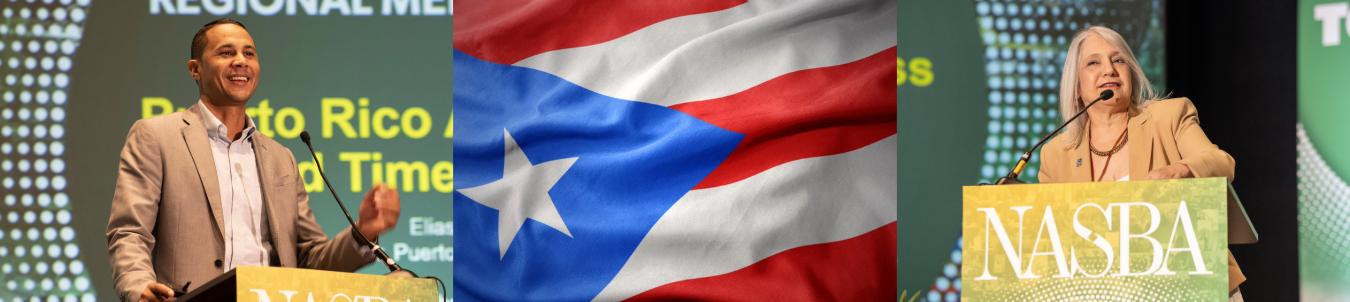
This year, NASBA hosted its Eastern Regional Meeting in beautiful Rio Grande, Puerto Rico. The meeting showcased a number of thought leaders and featured exceptional presentations that were beneficial to the future success of the accounting profession.
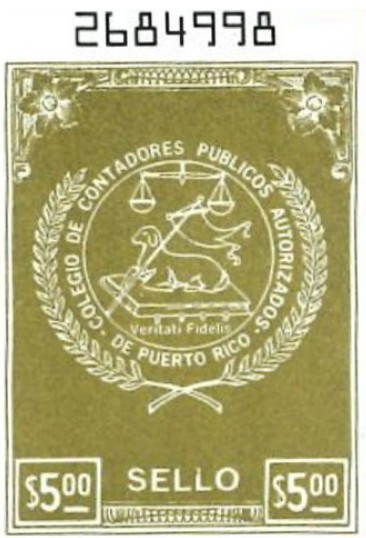
One such presentation was by speakers María T Laboy, CPA, CGMA, of the Puerto Rico Society of CPAs and Elías Colon of the Puerto Rico Board of Accountancy. Since 1973, and the establishment of the Puerto Rico Society of Certified Public Accountants, the use of a prenumbered $5 accreditation seal—known as the “CPA Stamp”—was mandated. Laboy and Colon explained that the previous physical stamp system was vulnerable to fraud (e.g., non-CPAs issuing reports, unauthorized letterhead use). Therefore, a digital stamp (QR code) and logbook system should be implemented for all reports moving forward (audits, reviews, compilations).
The implementation of the QR code will help prevent fraud and improve the authenticity and traceability processes. The codes offer real-time validation, which has significantly reduced fraud cases, verify both the CPA’s identity and the document’s integrity and create a historical record of all issued reports, aiding peer review.
The Digital CPA Stamp is used in every report issued by CPAs and CPA firms—including audits, reviews, compilations, and more. The stamps and logbook maintain historical records of the CPA reports issued, are completely online, can be accessed from any place the CPA is working and comprise a summary of reports within the review period. When a CPA scans the QR code, the following information can be validated: CPA firm license number, digital stamp number, CPA/CPA firm name, client’s name, purpose for which report was used, report date and client’s year-end.
As the presenters noted, by combining real-time validation with this advanced technology, the Puerto Rico has transformed a system vulnerable to misuse into one that fully safeguards the public’s trust in financial reporting, protects the integrity of the CPA and protects the profession.
